SAF-T vs the VAT return: what is different, what overlaps
SAF-T does not replace the monthly VAT return. How the two reports differ, where they overlap, and why the figures in both have to agree.
One of the questions we hear most about SAF-T is simple: does it replace the VAT return? It does not. Once your SAF-T phase starts, you file both, every month. Understanding how they differ makes it much easier to keep them consistent.
Two reports, two purposes
The VAT return (справка-декларация) tells the National Revenue Agency how much VAT you owe or can reclaim for the month. It comes with the sales and purchase ledgers, which list every invoice that affects VAT. It is due by the 14th of the following month.
The SAF-T file is a much wider export of your accounting data in a standard XML format. It contains your general ledger entries, your customers and suppliers, your sales and purchase invoices and your payments. The monthly file is due by the end of the following month.
In short: the VAT return is a tax calculation; SAF-T is a copy of the books behind it.
Where they overlap
The overlap is the invoices. The same sales and purchase invoices appear:
- in the VAT ledgers that accompany the VAT return,
- in the VIES declaration, for supplies to businesses in other EU countries,
- and in the SAF-T file, together with the accounting entries they generated.
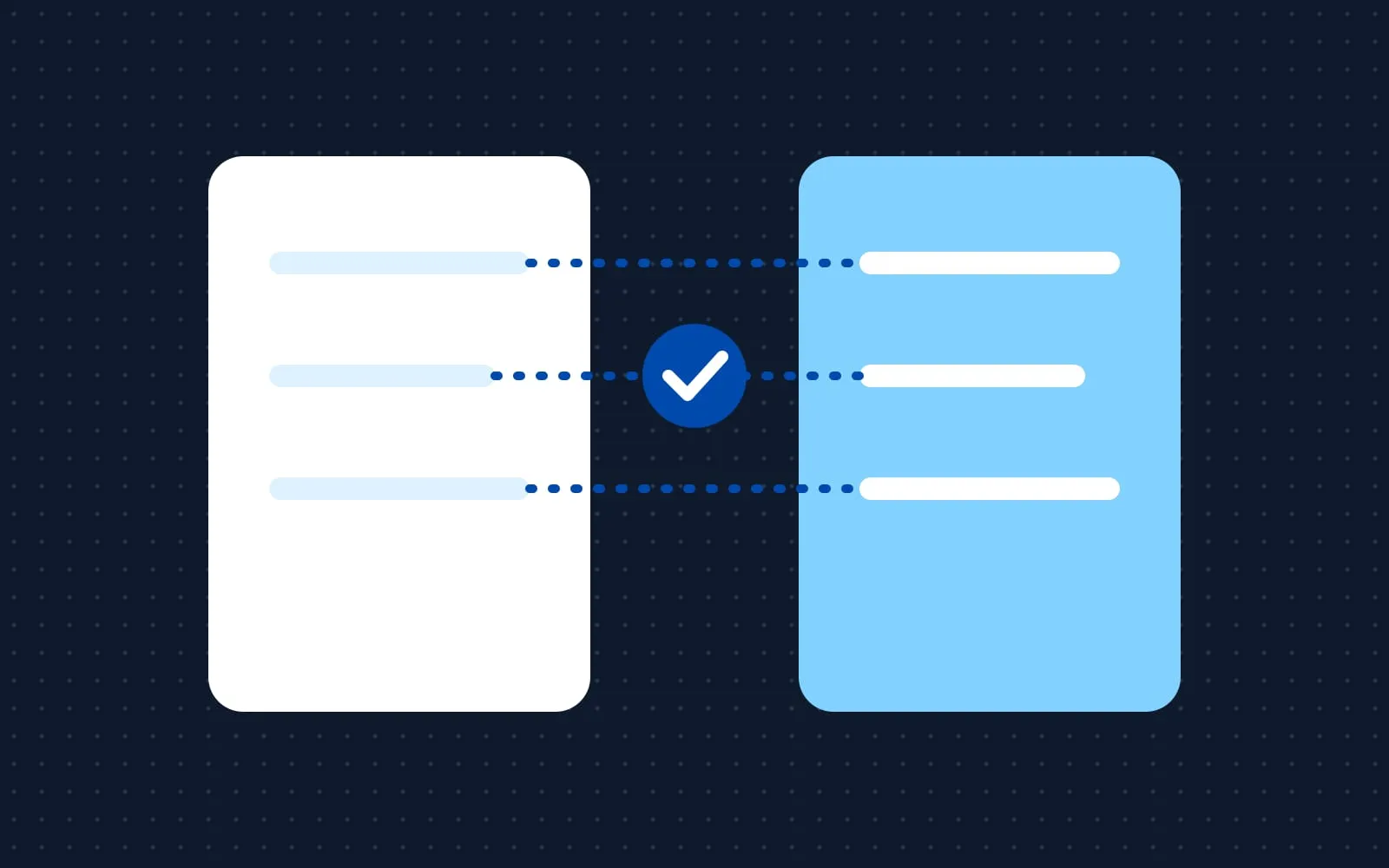
Because SAF-T also contains the general ledger, the NRA can see whether the VAT you declared matches the VAT recorded in your accounts. Before SAF-T, that comparison usually happened only during an audit.
Where differences come from
Differences between the two reports are rarely fraud. They usually come from timing and process:
- An invoice booked in a different month in the accounts than in the VAT ledger.
- Manual corrections made in the VAT ledger but not in the accounting system, or the other way round.
- Reverse-charge entries for services from other EU countries recorded in one place but not the other.
- Credit notes applied to the wrong period.
- Euro changeover entries where documents in leva and euro were converted inconsistently.
Each of these can be explained. But once SAF-T data arrives every month, the NRA can ask questions while the month is still fresh, and it is better to have the answers ready.
Keep them in step
The most reliable routine is to treat the two reports as one monthly close:
- Close the month in the accounting system first.
- Produce the VAT ledgers and the VAT return from the closed data.
- Export the SAF-T file from the same data.
- Reconcile the VAT totals in SAF-T with the VAT return before either is submitted.
If the VAT return is filed by the 14th and the SAF-T file by the end of the month, any adjustment made in between must be reflected in both.
How we can help
We prepare the VAT return and review the SAF-T file as a single monthly process, so the figures agree before they reach the NRA. More about SAF-T · VAT compliance