Reclaiming VAT paid in another EU country: how it works
Paid VAT abroad on fuel, hotels or a trade fair? Here is who can reclaim it, the deadline that matters most, and the mistakes that get claims rejected.

Businesses pay VAT abroad all the time: diesel for trucks crossing Europe, hotel nights, stand space at a trade fair, services bought locally. If your company is VAT registered in its home EU country and does not make taxable supplies in the country where the VAT was charged, that VAT can usually be reclaimed. Many companies never claim it, or claim it too late.
Who can use the EU refund procedure
The EU refund procedure (Directive 2008/9/EC) is open to businesses that:
- are established and VAT registered in one EU member state,
- paid VAT in another member state on costs related to their business, and
- have no place of business and make no taxable supplies there (with limited exceptions, such as transport services).
Businesses established outside the EU follow a separate, national procedure, which is not available in every country.
How a claim is filed
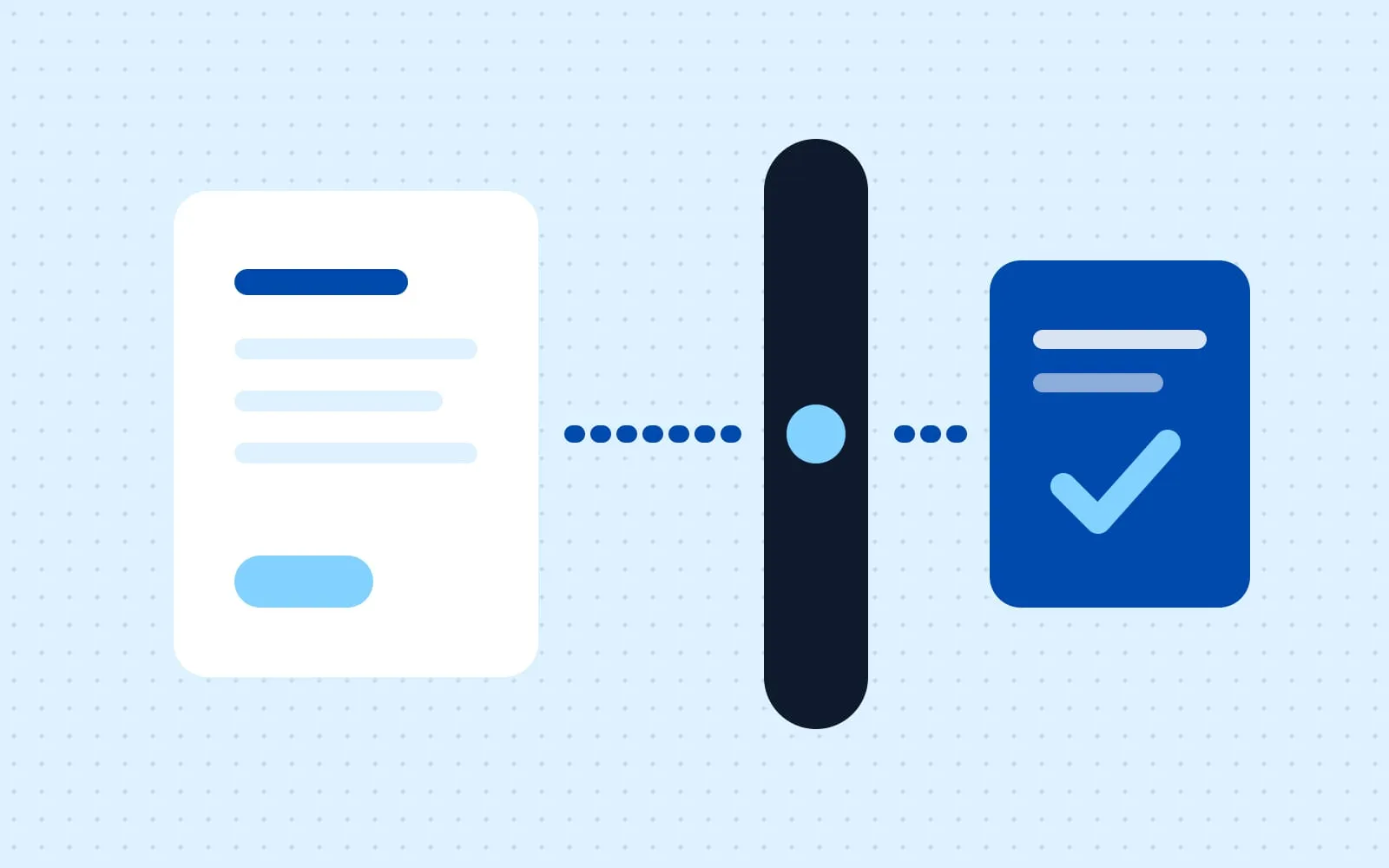
The claim is submitted electronically, through the tax portal of your own country. A Bulgarian company files through the NRA portal, which forwards the claim to the country that charged the VAT. That country then decides on the refund under its own rules, including what is deductible at all. Costs that are non-deductible for local businesses (some entertainment costs, for example) are not refundable to foreign businesses either.
The deadline that matters most
Claims must be submitted by 30 September of the year after the year in which the VAT was paid. For VAT paid during 2026, the last day is 30 September 2027. A late claim is, in practice, a lost refund.
Claims can cover a period of three months up to a full calendar year. Minimum amounts apply: €400 for a period shorter than a year, and €50 for a full calendar year (or the remainder of it).
How long it takes
The country of refund normally has four months to decide. It can ask for additional information, which extends the deadline. Once approved, the refund is paid within ten working days of the end of that period.
Why claims get rejected
Most refused claims fail on formalities, not on substance:
- invoices addressed to the wrong company name, or missing the supplier’s VAT number,
- costs entered under the wrong expense codes,
- invoices that are not legible or not in the original format requested,
- the wrong refund period, or a claim filed after the deadline.
How we can help
We review your foreign invoices, identify what is recoverable and where, file the claims, and handle questions from the tax authorities until the money arrives. If a refund is refused, our tax disputes team can challenge the decision. Talk to us about a VAT refund.